 Bedding
Tex Bedcover
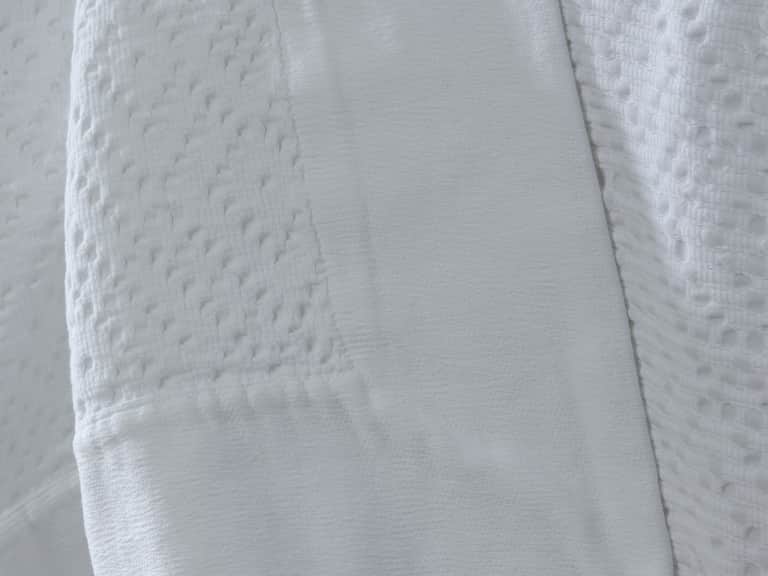
Enjoy cool, comfortable summer nights with this lightweight pure cotton bedcover. Its textured waffle weave adds depth, while the neatly woven border gives your bed a polished, graceful finish.
Blankets and quilts form essential layers for warmth, comfort, and temperature regulation across seasons. This category explores diverse materials, weights, and construction methods, highlighting how fabric choice affects breathability, insulation, and durability. Understanding weave types, such as percale or jacquard, helps match bedding needs to climate and personal preference while supporting restful sleep environments in homes like London beds and apartments.
Materials commonly featured include cotton, wool, fleece, and blends that balance softness with performance. Natural fibers often offer superior moisture management and hypoallergenic properties, while synthetic fillings can provide consistent warmth. Recognizing care requirements, such as machine washing compatibility and tumble-dryer safety, preserves fabric integrity and extends product life.
Quilts and blankets serve multiple functions beyond warmth, including decorative appeal, humidity regulation, and ergonomic support during sleep. Layering strategies—combining quilts with sheets, duvets, and throws—enable adaptable interior aesthetics and temperature control. The right combination supports varied sleep stages and comfort needs throughout the year.
notable product examples include options like Free New Bedcover, which illustrates practical design features such as lightweight construction, easy-care finishes, and reinforced edges. These qualities enhance usability, reduce wear, and provide reliable warmth without bulk. Evaluating dimensions, thread counts, and fill weight informs suitability for bed sizes and personal warmth preferences.
Within bedding ecosystems, related elements such as organic mattresses, pillows, sheets, and duvet covers intersect with blankets and quilts to create cohesive sleep environments. By examining layering principles, fabrictechnology, and fiber sources, users can make informed choices aligned with comfort goals, sustainability considerations, and daily sleeping routines.
Bedding